Rare Diseases (EB patients)
A multidisciplinary service-learning project developing a personalized 3,000 kcal high-calorie dietary plan for a 20s male RDEB patient (49 kg, 175 cm), integrating nutritional assessment with whole-person psychological care.

Multidiscipline Care:
Beyond Diagnosis in Rare Disease
This project marked my first sustained engagement with dermatology patients, reshaping how I understand care—not as treatment alone, but as accompaniment.
Half of my undergraduate training involved little to no direct contact with patients. Learning that psychology ultimately requires engaging with people from diverse backgrounds deepened my interest in this interdisciplinary opportunity.
- Direct patient engagement in clinical settings
- Patient-centered dietary preparation plans
- Reflective practice
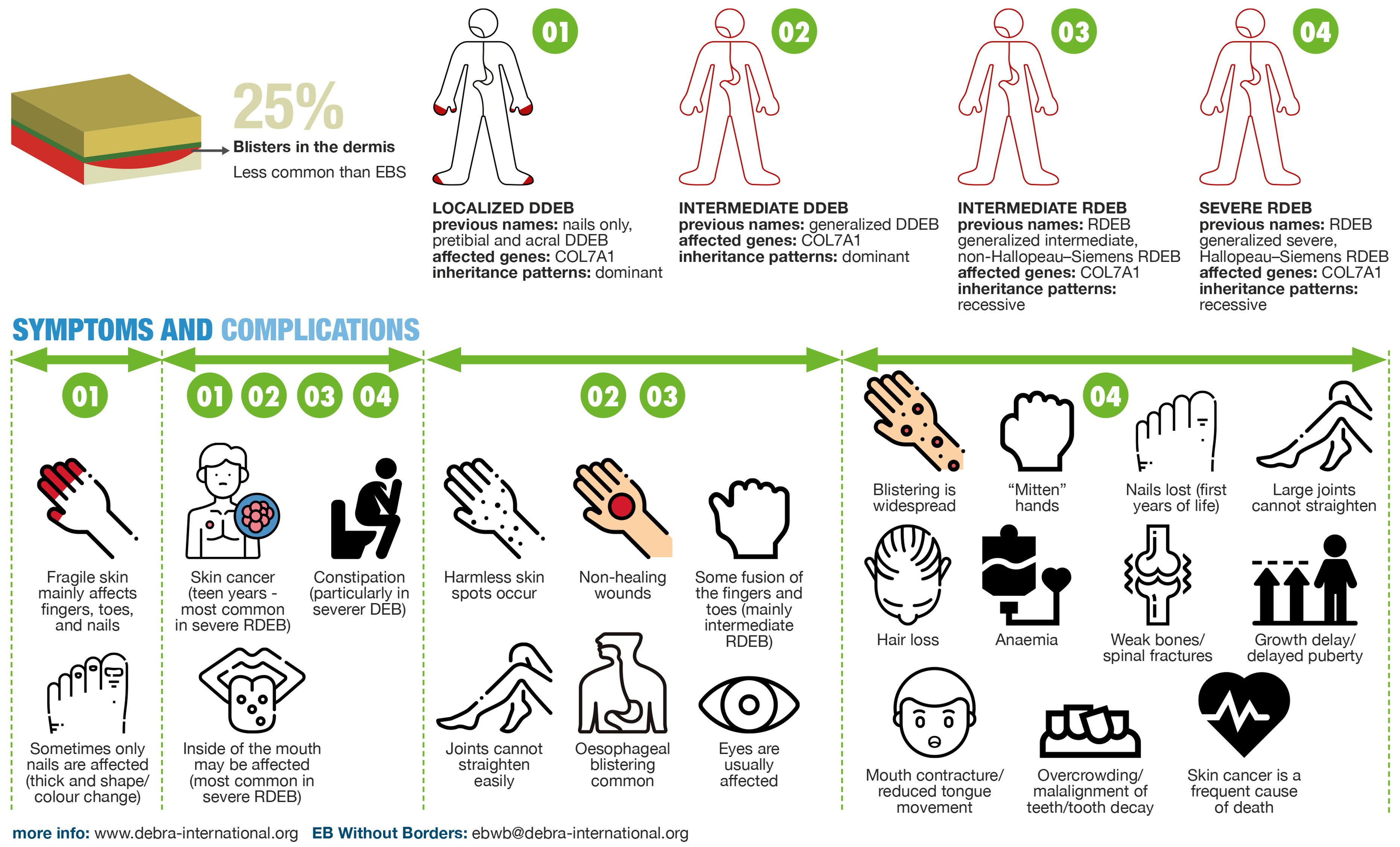
Understanding Epidermolysis Bullosa (EB)
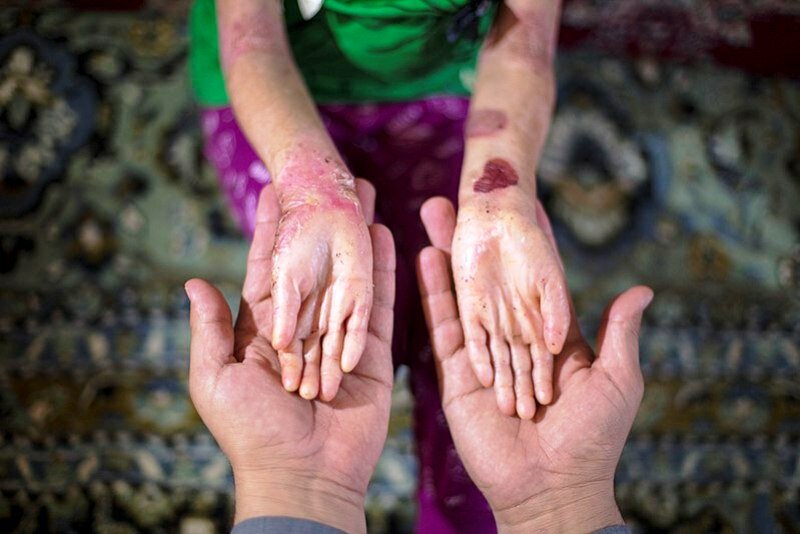
EB is a genetically inherited skin disorder that extends beyond dermatological symptoms, often leading to severe nutritional challenges affecting growth.
0 kcal/day
"Average dietary fiber intake among RDEB patients is below 50% of recommended levels, contributing to constipation and appetite suppression."
This insight guided our dietary intervention, emphasizing:
Study Process
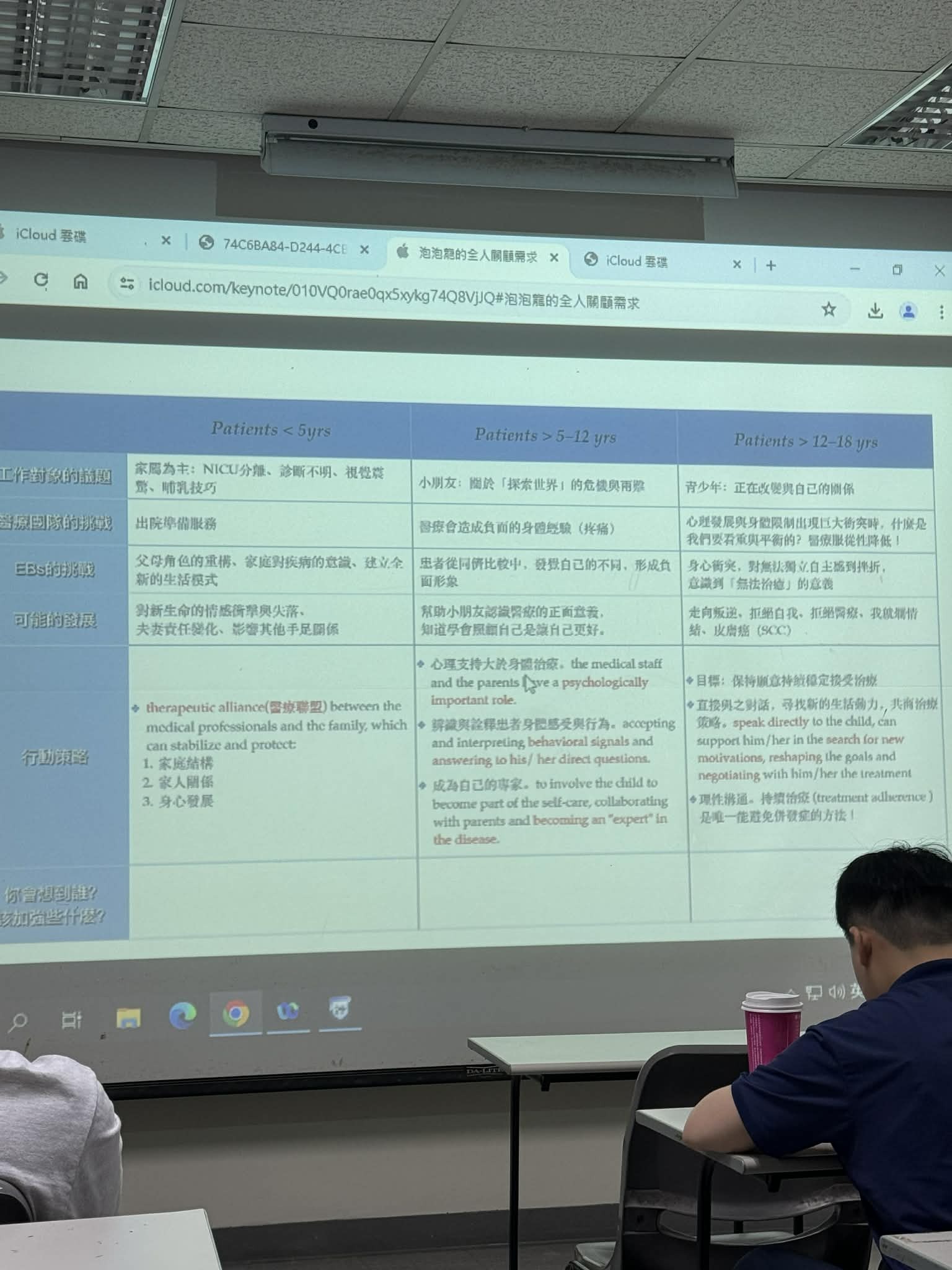
Introduction to whole-person care, including oral health and wound management.
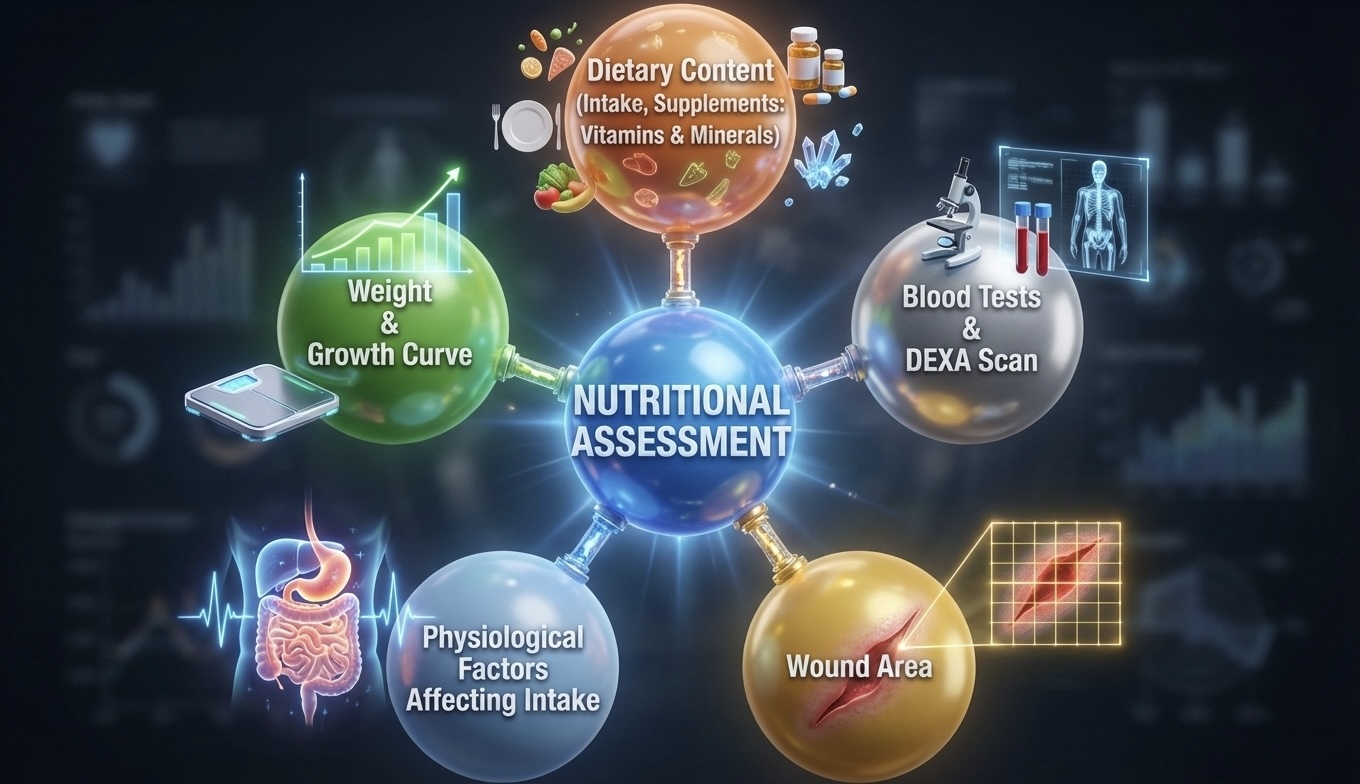
Calculating calorie and protein intake effectively through assessments.

Understanding not just what patients can eat, but what they want to eat.
Reflections
01 When Theory Was No Longer Enough
Through nursing-related courses, I worked with elderly patients diagnosed with bipolar disorder. These experiences revealed that psychology cannot rely solely on theoretical foundations—it demands human connection.
02 Rethinking Care Beyond Diagnosis
Before becoming a clinical psychologist, developing a deeper understanding of care is essential—not only of the body, but also of the mind. Classroom theories and DSM-5 criteria offer frameworks, yet feel fundamentally different from real-life patient care.
Core Reflection
"I once believed that healing meant simply treating illness or alleviating symptoms. Over time, I came to realize that this is not the ultimate goal of psychology."
The core value of being human is accompanying patients as they search for meaning and a sense of self within their own subjective experiences.
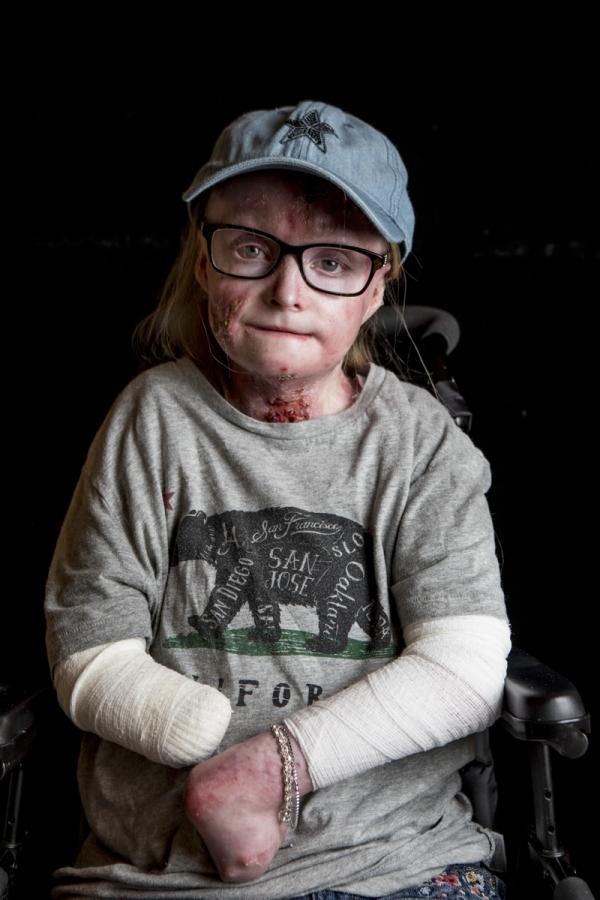
03 Key Takeaway
Through professional service learning grounded in mutual sharing and collaboration, this project reignited my motivation to learn.
"It allowed me to integrate theory with practice in a deeply human way, serving patients and addressing real needs."