13 Days Solo in China
China Apps and Other Useful Info (Expenses/Route)
13 Days
Solo
in China
A graduation gift to myself — 5 cities, one suitcase, and a lot of courage.
A Graduation Gift
to Myself
In September 2025, I packed a 26-inch suitcase and flew to China alone. No travel companions, no fixed agenda — just a rough city list and the willingness to figure things out as I went.
As a Malaysian passport holder, I was eligible for a 30-day visa-free stay in China, so visa procedures were not a concern at all. That made planning significantly simpler.
The itinerary was what some might call "special forces style" — packed, efficient, and occasionally chaotic. But I adjusted along the way depending on my energy and mood, and that flexibility turned out to be half the adventure.
"Sometimes, the most beautiful part of solo travel isn't the destination — it's the unexpected people you meet along the way."
13-Day Itinerary
Shanghai
Entry point. Urban energy, art deco architecture, and hunting-style shopping, from high-end luxury on Nanjing Road and the Bund.
City • 2 nightsQingdao
Coastal city with German colonial architecture and fresh seafood. Unexpected favourite. Checked out and tried Draft/Raw Beer (生啤) before you leave.
Coastal • 3 nightsSuzhou
Classical gardens, canals, and a slower pace. The Venice of the East lives up to its name.
Culture • 2 nightsHuangshan · Anhui
The hardest and most rewarding leg. Rain, clouds, and a summit that changed everything.
Hiking • 2 nightsHangzhou · Zhejiang
West Lake sunrise by bicycle. Dawn deliveries. The kind of morning you never forget.
Nature • 2 nightsShanghai
Final night. Reflection, street food, and the flight home.
Departure • 1 nightHiking Huangshan
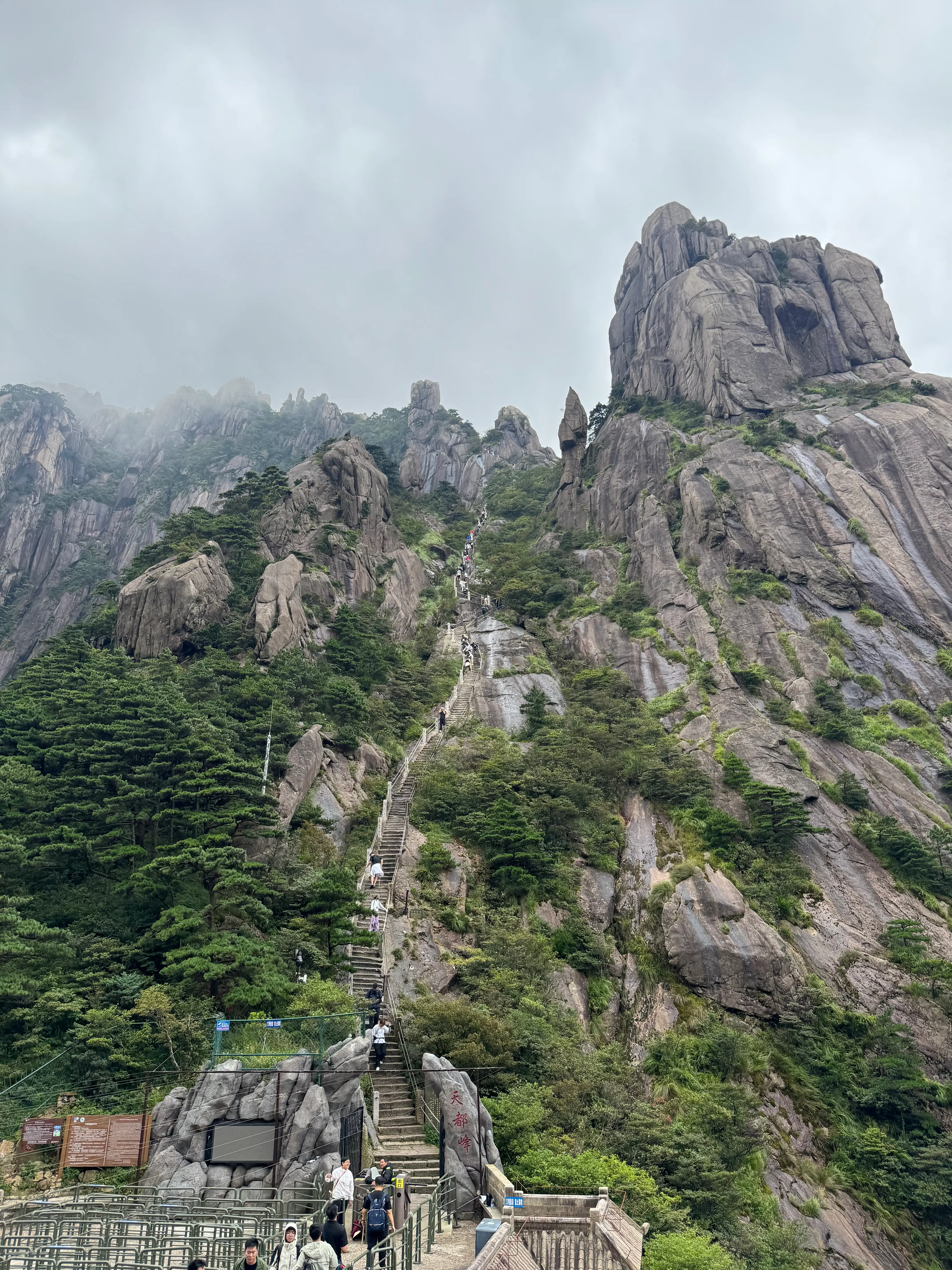
Hiking Mount Huangshan had been on my bucket list for years. It's one of those places you see in photographs and wonder if it actually looks like that in real life — the ink-wash mountain peaks, the sea of clouds, the twisted pine trees clinging to cliff faces.
The weather was not perfect — it rained, and visibility came and went. But standing at Guangmingding (Bright Summit), watching clouds roll between dramatic peaks, made every step worth it.
In that moment, exhaustion disappeared completely. The scenery made everything meaningful.
💡 Book Huangshan entrance tickets via the WeChat mini-program to avoid queues.
Night Cycling
West Lake

One spontaneous night in Hangzhou, I rented a bike and cycled to West Lake before sunrise. The city was still half-asleep. The air was cool and carried the smell of still water and morning mist.
I queued up for famous local soup dumplings as the sky slowly turned from deep blue to pale gold over the lake. That kind of freedom — unplanned and unscripted — is what makes solo travel magical.
No itinerary could have planned that morning. It happened because I said yes to the idea at midnight.
The Full Cost
I chose hotels over hostels for comfort and convenience — this was a graduation gift to myself, not an ultra-budget backpacking trip. Totally worth it.
9 Essential Apps
for China
Download and register these before you board your flight. Future-you will be very grateful.
All-in-one digital wallet. Pay everywhere, take metro, hail Didi, book hotels. Foreign cards work. ★ Must-have
Official high-speed rail booking. Register with email + passport. No need for a Chinese number.
Restaurant reviews and group-buy discounts. Extremely useful for finding local food gems.
Food delivery. I pre-ordered food 30 minutes before arriving in a new city by train.
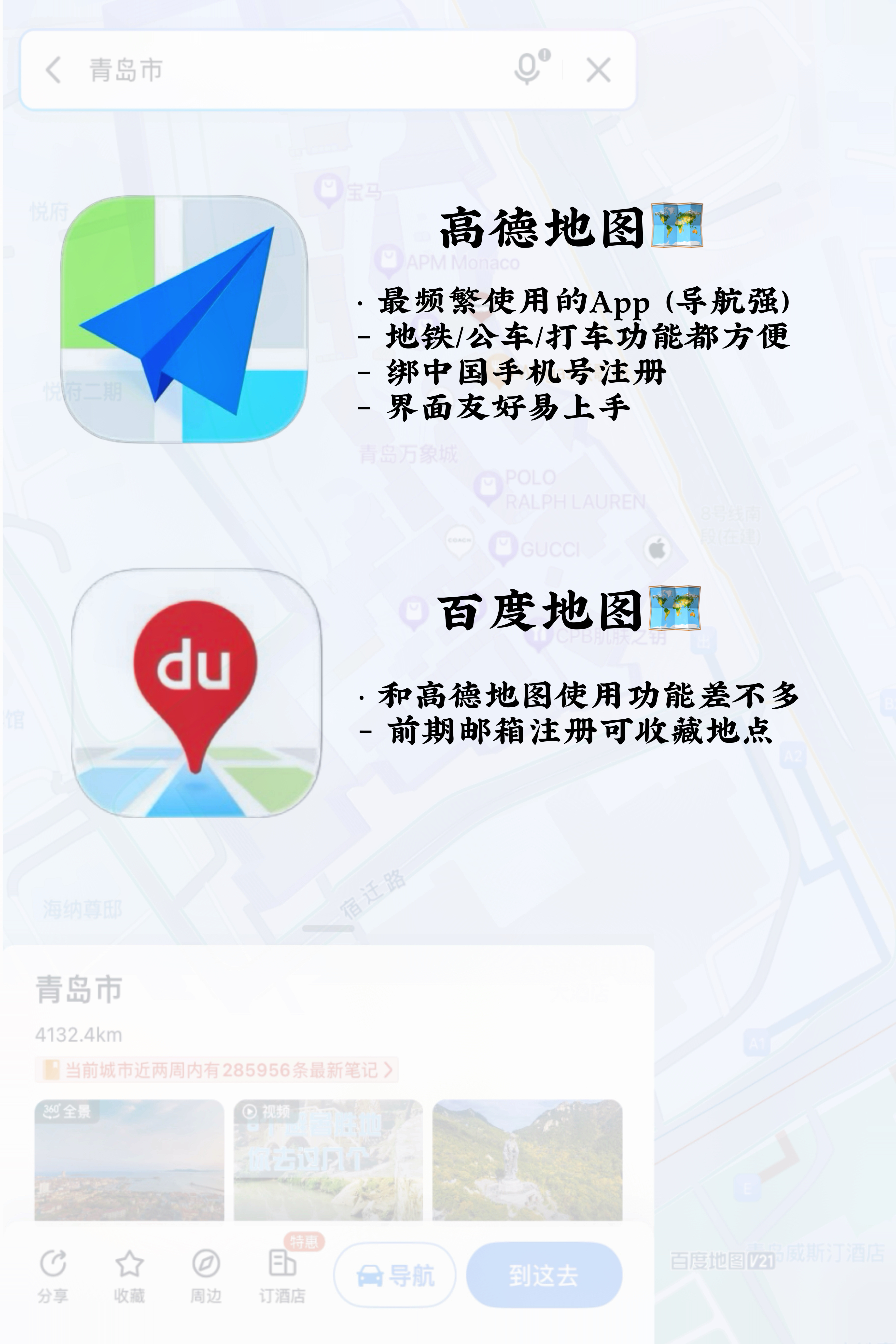
Far more useful than Google Maps inside China. Metro, bus, taxi estimates, trip planning.
Compare hotel prices and read Chinese user reviews for better insights.
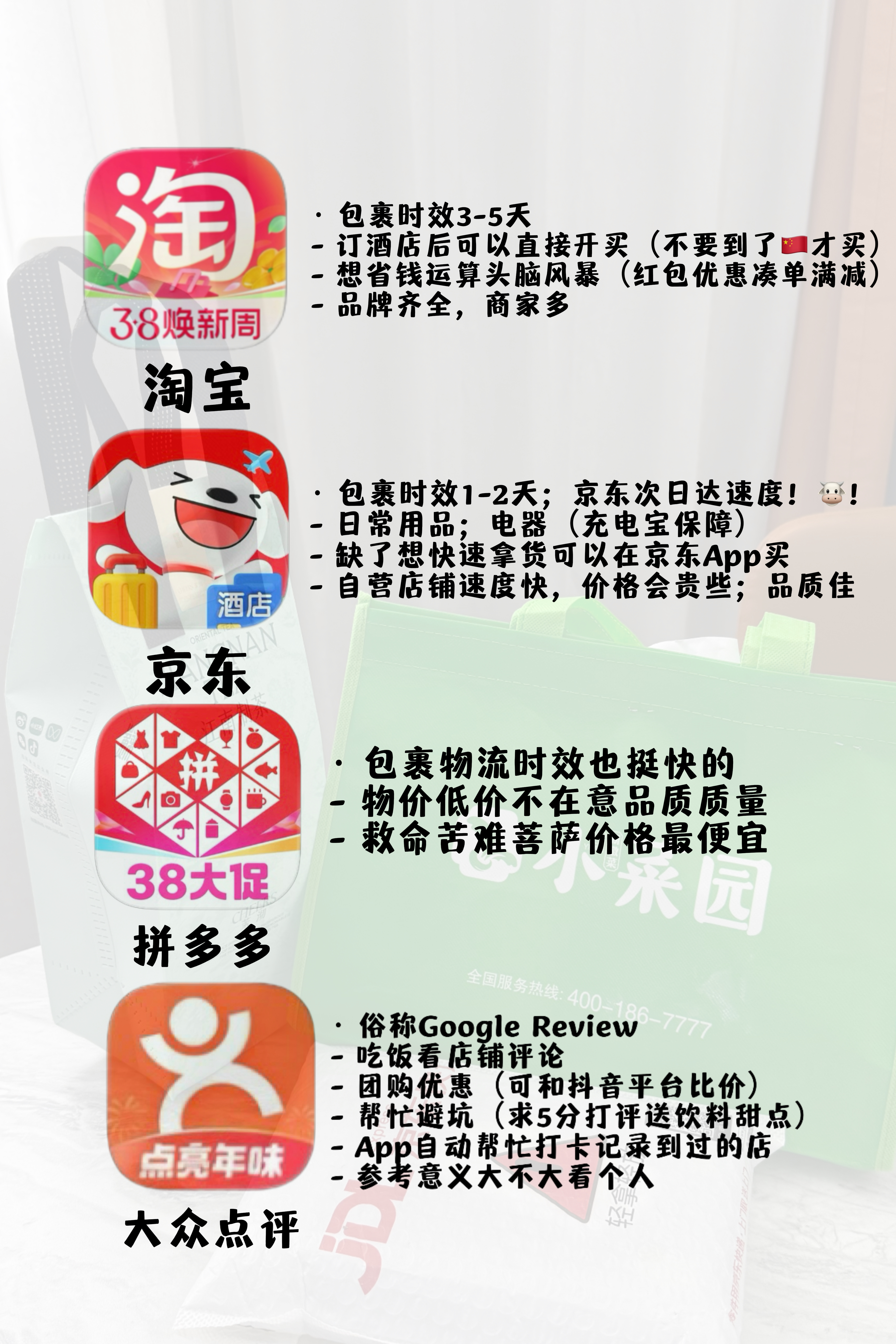
Buy travel essentials. Delivers to your hotel in 1–2 days, especially in Jiangsu/Zhejiang.
Lightning-fast delivery. I used it to buy a power bank and extra luggage bag on the go.
Mini-program bookings (including Huangshan tickets), vendor payments, and more.
Things I Wish
I Knew Earlier
I often booked high-speed rail tickets the night before departure. As a solo traveller, single seats are sometimes easier to secure — but this is genuinely risky during peak season. Plan ahead if you can.
I bought both. A physical Chinese SIM makes it easier to communicate with delivery riders and Didi drivers. An eSIM gives you easy access to international websites. Buy your SIM in the city centre — airport SIMs are more expensive.
Foreign cards (Mastercard, Wise debit) work on Alipay. However, payments above RMB 200 may incur a 3% transaction fee. For large bills, consider splitting payments or using cash.
I prioritised hotels near railway stations. With a large suitcase, this saved enormous energy between cities. Comfort over hostel savings was absolutely the right call.
⚠️ Real Story · Alipay Personal QR Codes
At Huangshan, I shared a ride with strangers — and when it came time to pay, both Alipay and WeChat Pay failed. The driver had a personal QR code, and foreign accounts cannot transfer directly to individual Chinese accounts.
It was raining. The driver didn't realise I hadn't paid and let me off. I was nearly an accidental dine-and-dasher.
I contacted Alipay support, who traced the driver's number using my failed transaction record — and we sorted it out. But it was stressful.
HOW TO HANDLE IT IF IT HAPPENS TO YOU:
① Ask a Chinese friend or Malaysian student in China to top up your Alipay balance directly
② Open an account at Bank of China to deposit RMB (international credit cards cannot top up Alipay)
👉 Solo travellers heading to scenic areas — carry a small amount of cash, just in case.
Day-to-Day Essentials
Signs are in English and fares are only 2–4 RMB per ride — often faster than taxis since you skip traffic entirely. Alipay lets you download each city's metro card directly in the app, no need to queue at ticket machines.
Big cities often have 3–4 different train stations — double-check which one you're booked into. Gates open 15–20 minutes before departure, so treat it like an airport: aim to arrive 45–60 minutes before your train.
Both train and metro stations have bag scanning machines at the entrance — just like an airport. You'll get used to it quickly. You can bring water bottles; they may ask you to take a sip to verify it's water.
You'll need it for all train boardings and most attractions, but not for metro or buses. China is extremely safe — carrying it in your bag is not a concern at all.
Hot and cold drinking water is available at virtually every train station, hotel lobby, and many public spaces. Refill your bottle before boarding — no need to buy bottled water constantly.
Most hotels provide bottled water, toothbrush, toothpaste, shampoo, soap, and a comb as standard. You could realistically travel with almost no toiletries and be completely fine.
You don't strictly need one, but some attraction ticketing via WeChat mini-programs requires a Chinese number. If you're stuck, your hotel front desk can often help. For longer trips, getting a local SIM is worth it.
And that's completely fine — translation apps work incredibly well here, and many locals are used to communicating this way. Alipay has a built-in translation feature. A smile and patience go a long way.
In Action
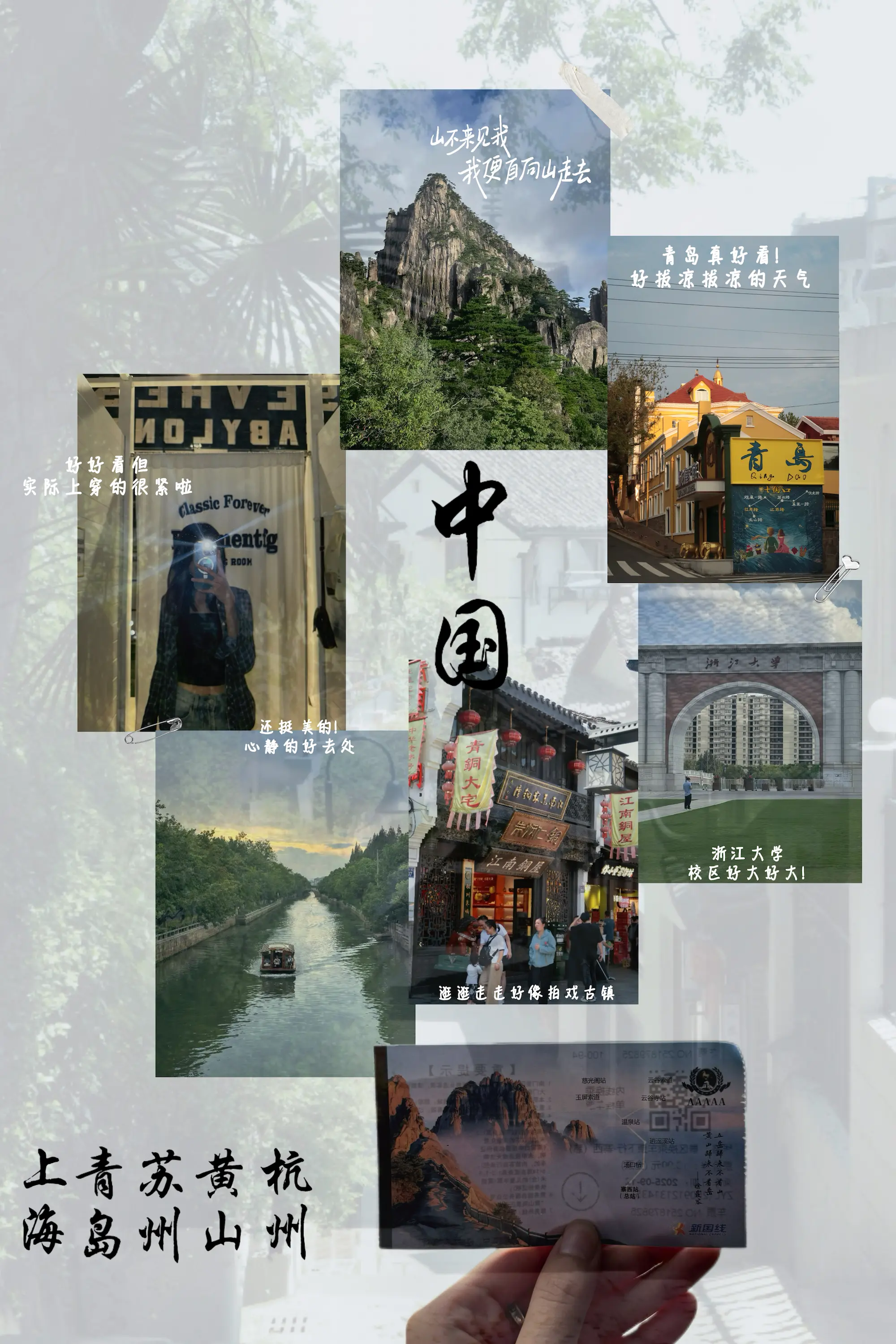 China Trip
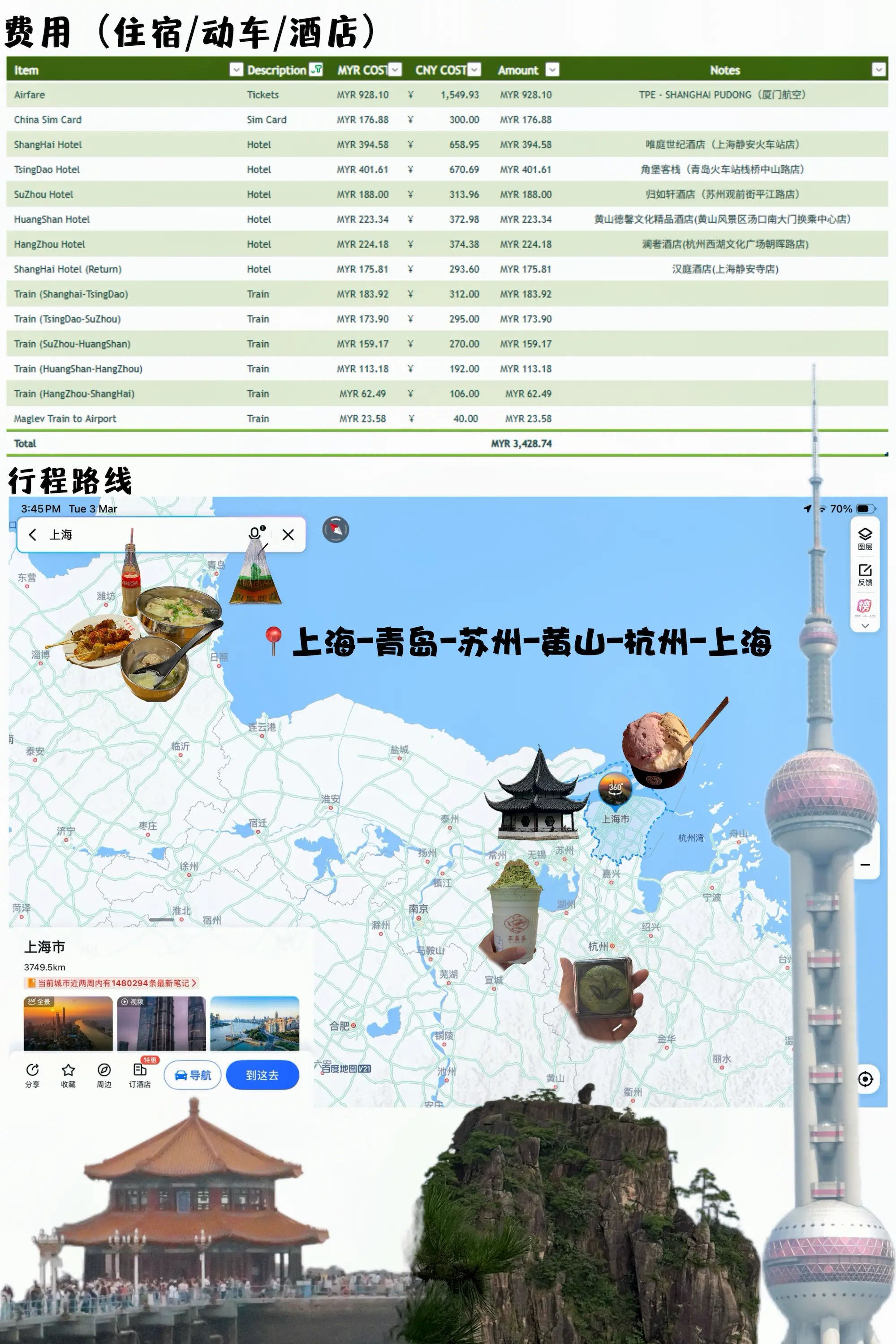 Route Expenses (Hotel & Airfare & Train)
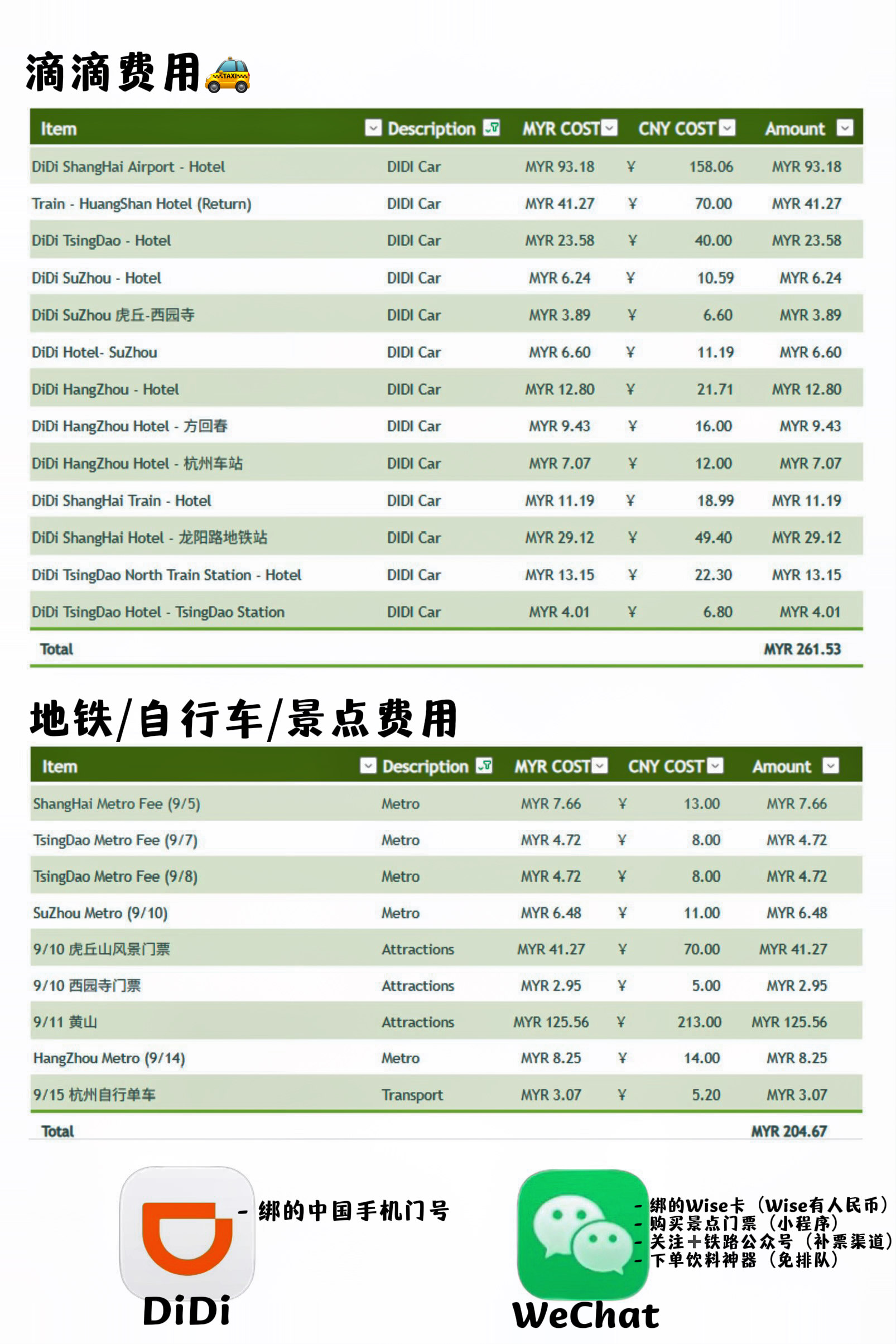 Transport Expenses (DIDI & Metro)
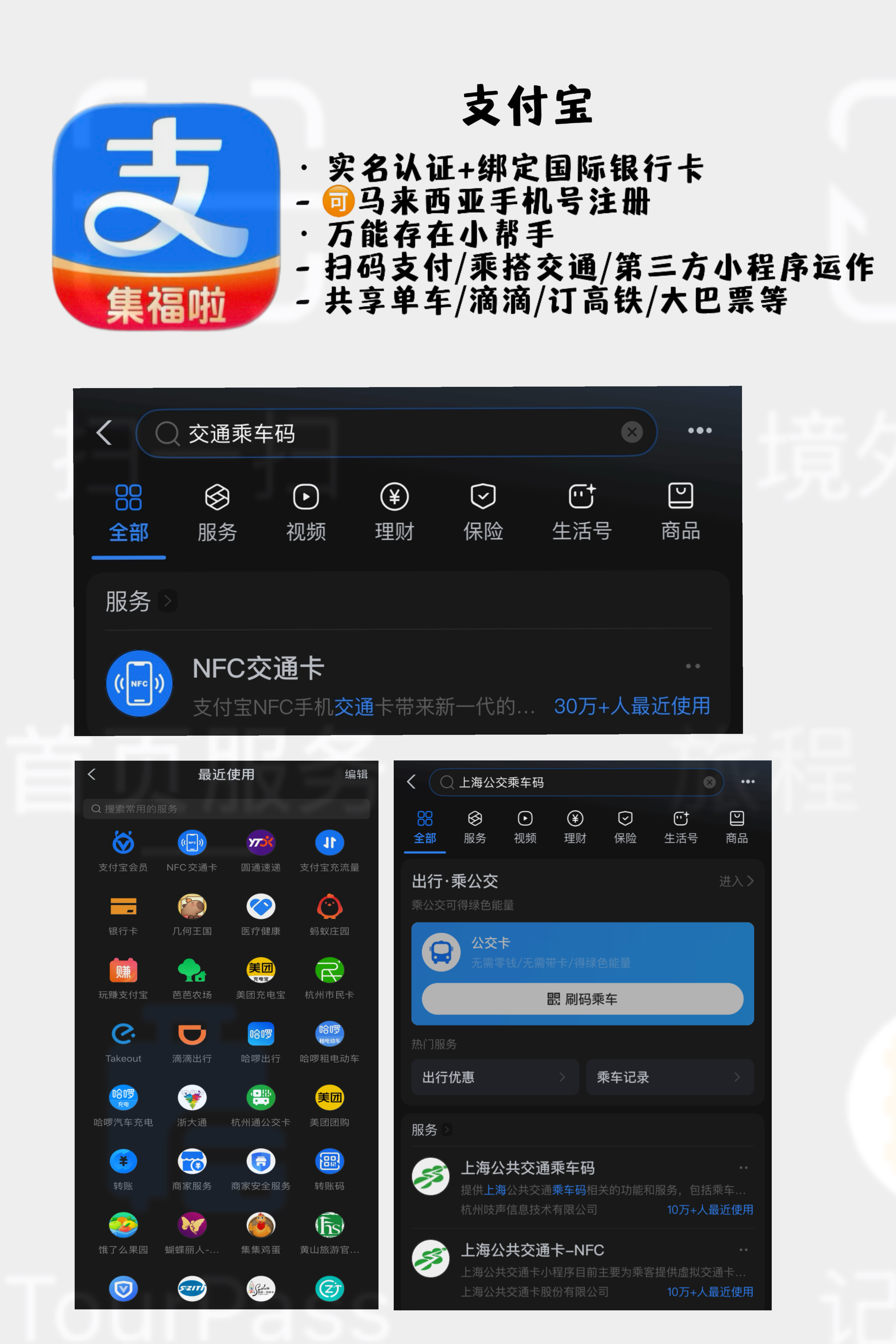 Alipay
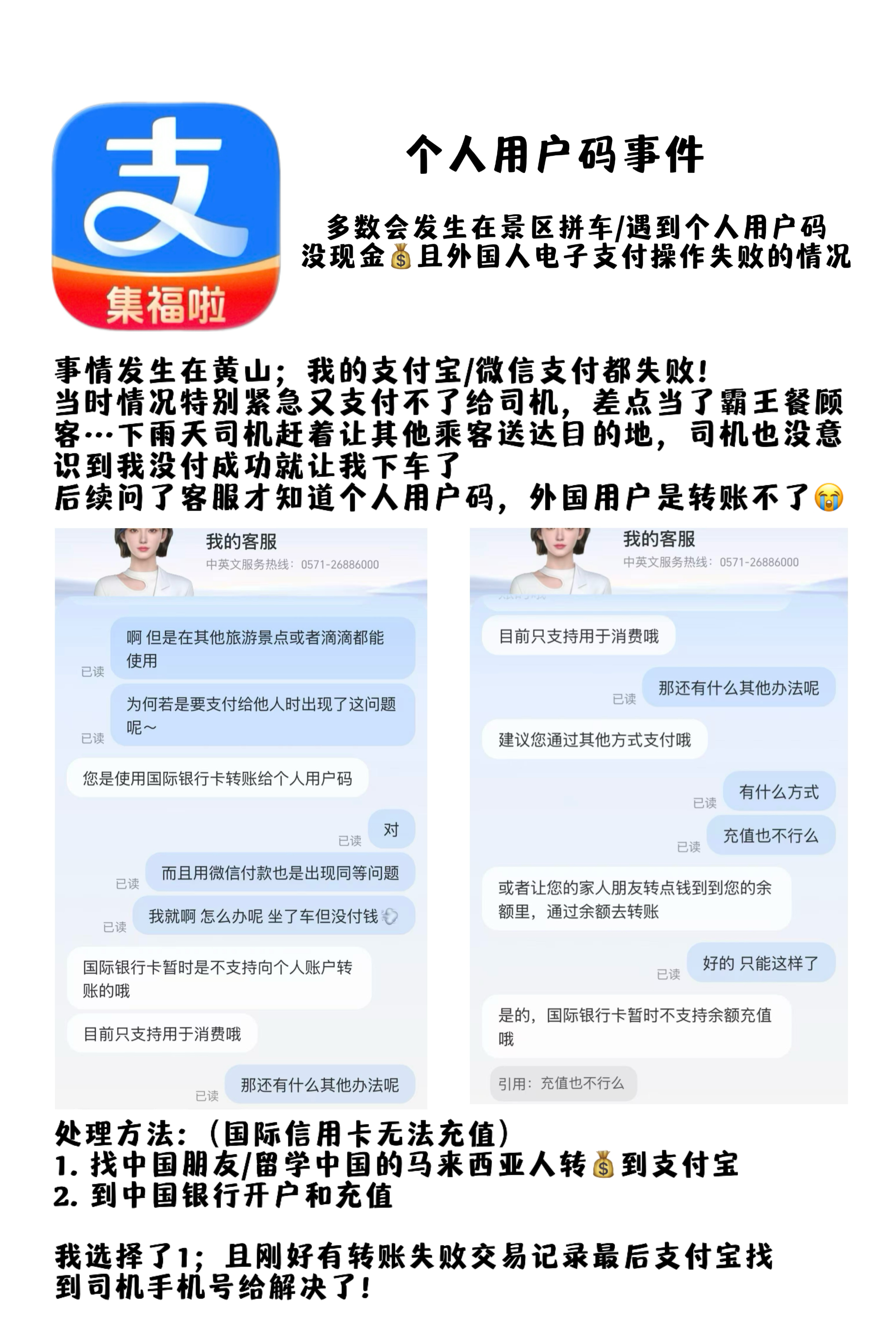 Alipay Problem
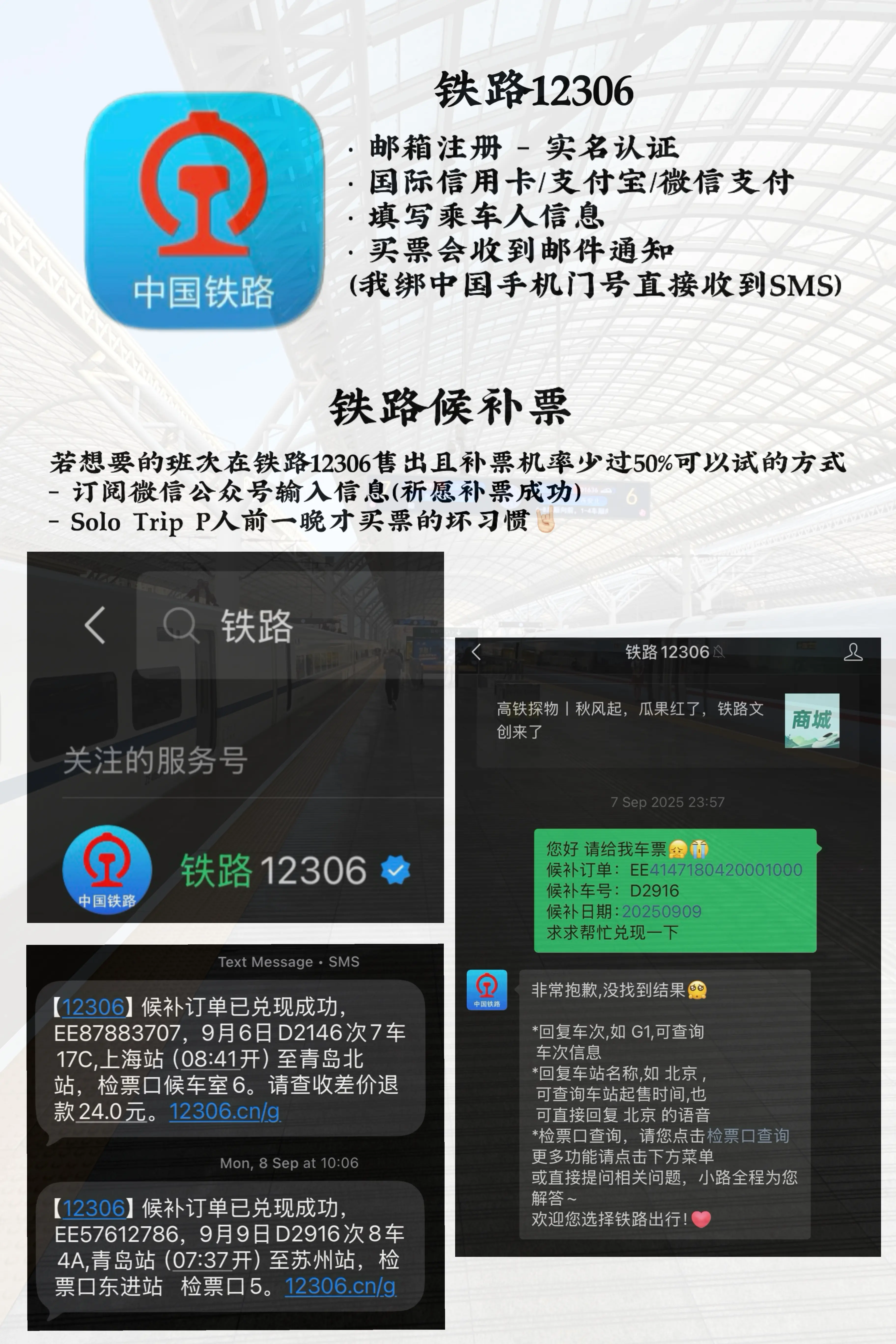 Train 12306
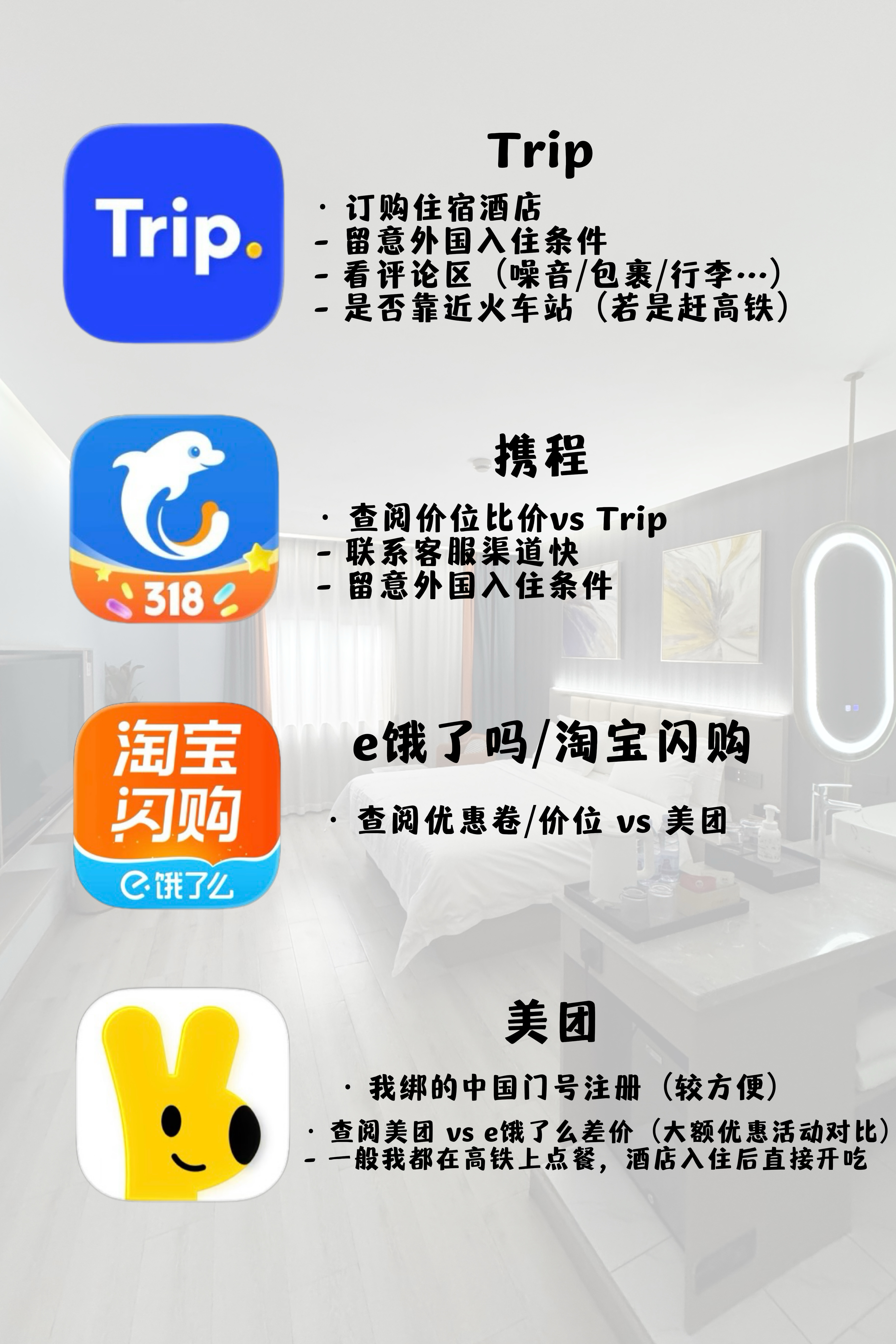 Hotel & Food Delivery
 Shopping Delivery
 Map (Gaode & Baidu)